New Home Security Checklist: Rekeying and More
Complete security checklist for new Austin homeowners: why rekeying is critical, what to check on move-in day, and upgrades that matter most.
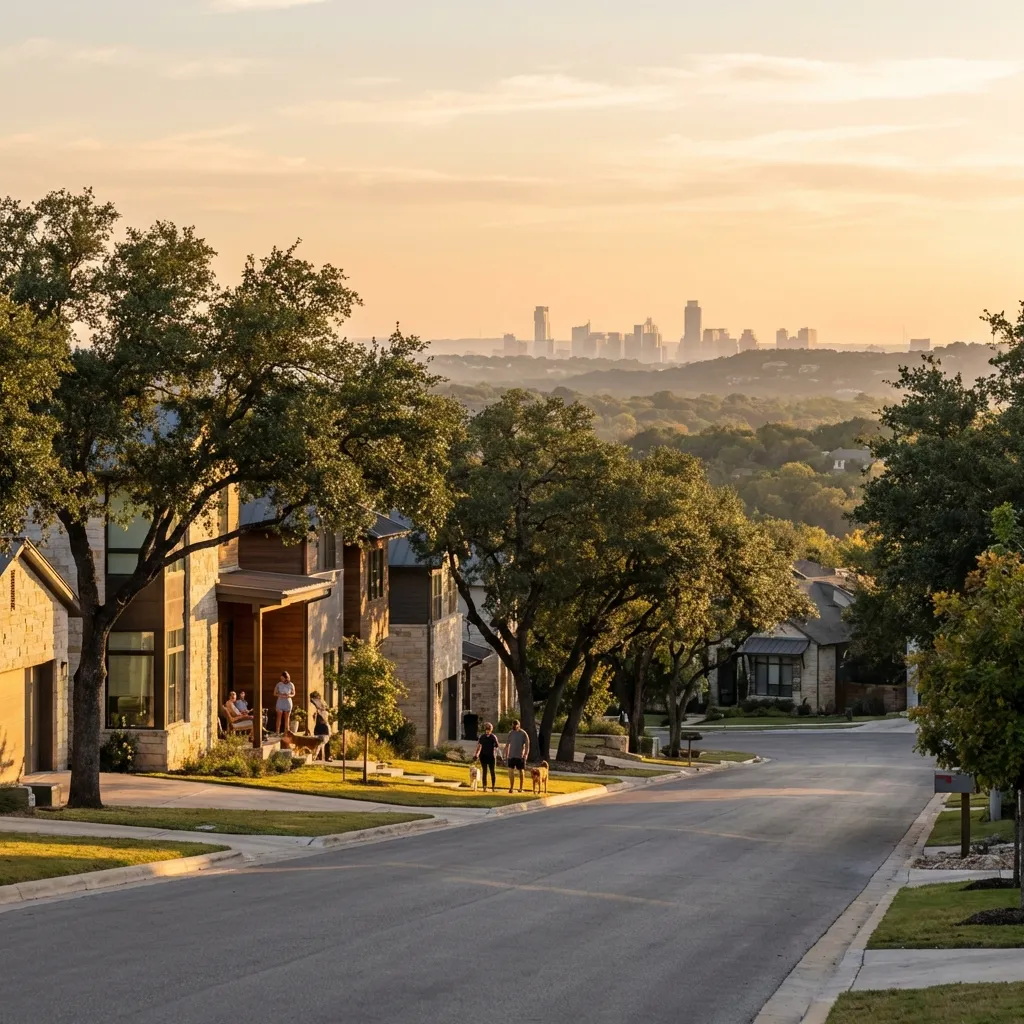
Quick Answer: When moving into a new Austin home, immediately rekey all locks (previous owners may have copies). Then assess entry points, upgrade weak locks, add deadbolts where missing, and consider additional security measures like smart locks or cameras.
You have no idea how many copies of your keys exist. Previous owners, realtors, contractors, cleaners, neighbors, and past tenants may all have had access. This checklist ensures your Austin home is properly secured from day one.
Before You Move In: Priority Security Tasks
- Rekey all exterior locks immediately — This is the single most important step
- Change garage code — If applicable, reset the electronic keypad or opener code
- Test all locks — Ensure every door locks and unlocks smoothly
- Check window locks — Many break-ins occur through unsecured windows
- Inspect deadbolts — Verify every exterior door has a deadbolt (not just a knob lock)
- Document existing hardware — Note lock brands and conditions for future reference
⚠️ Critical: Rekey your locks BEFORE moving valuable belongings into your new home. This is when you're most vulnerable to someone using an old key.
Complete Home Security Checklist
Front door:
Rekey or replace lock
Verify deadbolt is Grade 1 or 2
Check strike plate (should be 3+ inches with 3" screws)
Inspect door frame for damage
Install peephole if missing
Back/side doors:
Rekey all secondary entrances
Add deadbolts where missing
Check sliding door security (add bar or pin lock)
Garage:
Reset opener code
Rekey interior door to home
Disable emergency release if visible from outside
Windows:
Test all window locks
Add security film to ground-floor windows
Install window stops on easily accessible windows
Upgrading from Basic to Secure
Signs you need upgrades:
- Knob locks without deadbolts on exterior doors
- Short strike plates with 1" screws (easily kicked in)
- Hollow core exterior doors
- Single-cylinder deadbolts near glass panels (can be reached through broken glass)
Recommended upgrades:
- ANSI Grade 1 or 2 deadbolts on all exterior doors
- 3"+ strike plates with 3" screws that reach the frame
- Smart locks for keyless convenience (optional)
- Double-cylinder deadbolts for doors with glass (requires key from both sides)
💡 Pro Tip: When rekeying, ask for all locks to be "keyed alike" so one key works every door. It's more convenient and usually offered at a discounted rate.
Beyond Locks: Additional Security Measures
- Outdoor lighting — Motion-activated lights deter prowlers
- Security cameras — Doorbell cameras and outdoor cameras provide visibility
- Alarm system — Consider professional monitoring or DIY systems like Ring or SimpliSafe
- Window security film — Makes glass harder to break through
- Secure the mailbox — Locking mailboxes prevent mail theft and identity fraud
- Trim landscaping — Remove hiding spots near windows and doors
- Get to know neighbors — A community that watches out for each other is powerful security
Frequently Asked Questions
Should I rekey or replace locks when moving in?
Rekey if locks are in good condition—it's faster and cheaper (a fair price per lock). Replace if locks are damaged, low-quality, or you want to upgrade to smart locks or higher security grades.
How many copies of my keys might exist?
More than you'd expect. Previous owners, all household members, realtors, contractors who did work, housekeepers, pet sitters, and neighbors may have had keys at some point.
What is a Grade 1 vs Grade 3 lock?
ANSI grades rate lock durability and security. Grade 1 is highest (commercial-grade), Grade 2 is residential heavy-duty, and Grade 3 is basic residential. Exterior doors should have at least Grade 2.
Why do strike plate screws matter?
Standard strike plates use 1" screws that only reach the door frame—easily kicked in. Upgraded plates with 3" screws anchor into the wall stud, dramatically increasing kick-in resistance.
Should I change the garage code?
Absolutely. The previous owner and anyone they shared the code with still know how to open your garage. Reset the code on the keypad and reprogram any remotes.
Are sliding glass doors secure?
Sliding doors are often weak points. Add a security bar in the track, install a pin lock, or upgrade to a double-bolt sliding door lock. Security film on the glass adds break-in resistance.
How long does rekeying take?
A professional can rekey a single lock in 10-15 minutes. A typical home with 4-6 exterior locks takes 30-60 minutes total.
Can I rekey locks myself?
DIY rekeying kits exist but require matching pins and some skill. For a new home, professional rekeying is recommended to ensure all locks are done correctly and consistently.
What about the interior door to the garage?
This door is often overlooked but is a critical security point. If someone gets into your garage (via stolen opener or break-in), this door is their easiest path into your home. Install a deadbolt.
Should I tell my locksmith I just moved in?
Yes. They can do a full assessment of all entry points, identify security weaknesses, and often offer package pricing for rekeying multiple locks. It's the perfect time for a professional evaluation.
Key Takeaways
- Rekey all locks before moving belongings into your new home
- Verify every exterior door has a quality deadbolt (Grade 1 or 2)
- Upgrade strike plates with 3" screws for kick-in resistance
- Don't forget the garage door code and interior garage door lock
- Consider a security assessment from a professional locksmith
- Request "keyed alike" so one key works all doors

About The Author
A1 Lock Express Team
Licensed mobile locksmith team serving Austin, TX with residential, commercial, automotive, and emergency service across the Greater Austin area. Texas Locksmith License #B12718701.
Learn more about A1 Lock ExpressRelated Locksmith Services
Need Locksmith Services in Austin?
Our expert team is available 24/7 for all your locksmith needs.
Get a Free Estimate